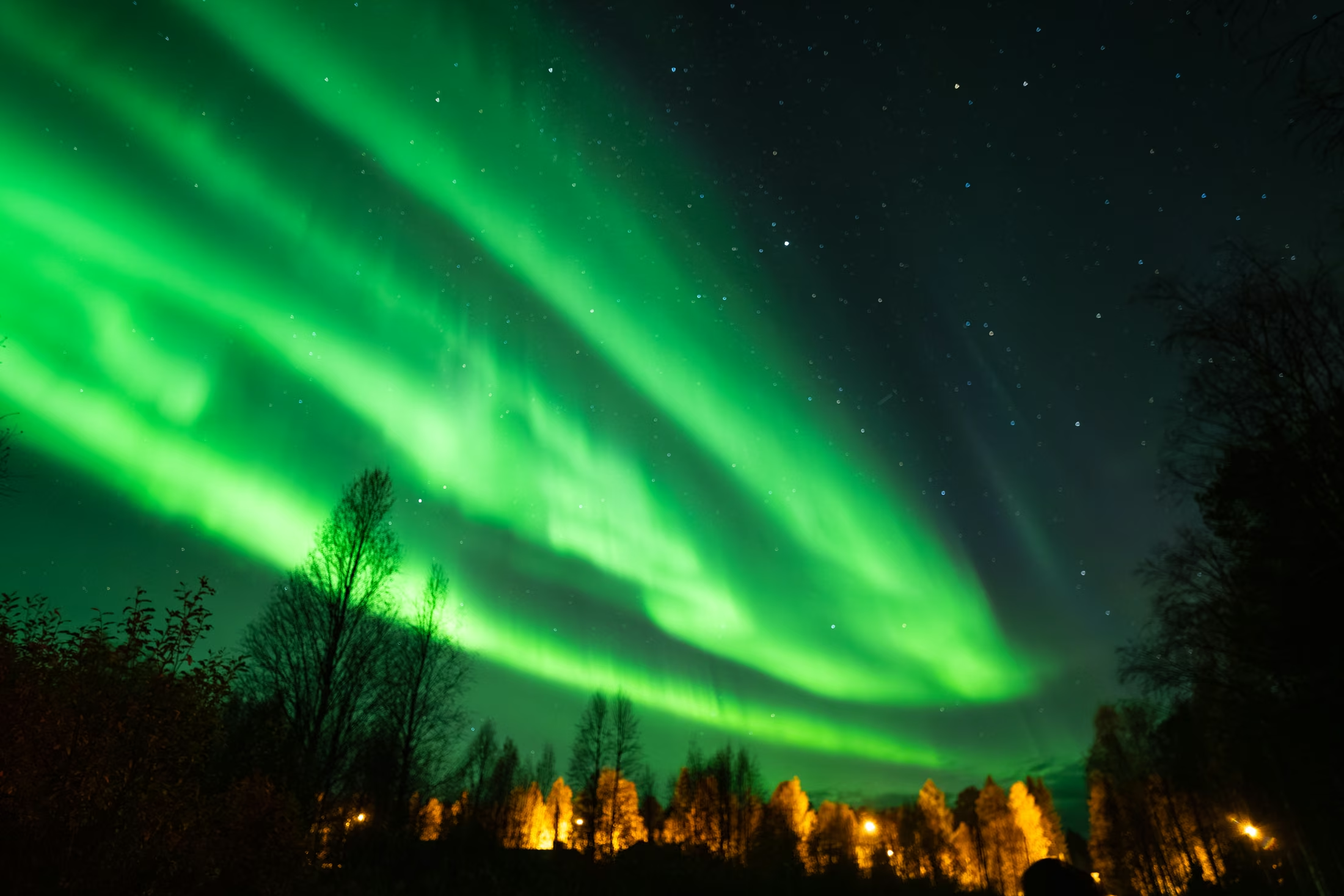
March is the best month.
We see the strongest aurora of the year in March, consistently, every season. September and October are close behind, with clear skies, active lights and good driving conditions.

FROM THE GUIDES
We run northern lights hunts from Rovaniemi every clear night of the season, from late August through March. After more than 400 hunts across the season, we know what it looks like in the field, not just in theory. This is our honest breakdown.
Field findings
We see the strongest aurora of the year in March, consistently, every season. September and October are close behind, with clear skies, active lights and good driving conditions.
This is why we drive. We follow the gaps across hundreds of kilometres if needed, across the Finnish–Swedish–Norwegian border if that's where the sky is open.
Season, cloud cover and solar activity still matter, and we drive to the clear sky whatever the moon is doing. But you cannot book those months ahead. You can plan around the moon: pick a new-moon window and stack the odds for the darkest, most dramatic show.
THE SHORT ANSWER
March is the best month. We see the strongest aurora of the year in March, consistently, every season. September and October are close behind, with clear skies, active lights and good driving conditions.
Across more than 400 hunts, our historical sighting rate is over 90% across the whole season, not just the best months. When Rovaniemi is overcast, our hunt routes follow clearer sky instead of waiting at one fixed viewpoint.
Weather still varies sharply from year to year, so even a strong month is not a promise for one particular night. If your itinerary gives you more than one possible night, you have more chances to meet clear sky and aurora activity.
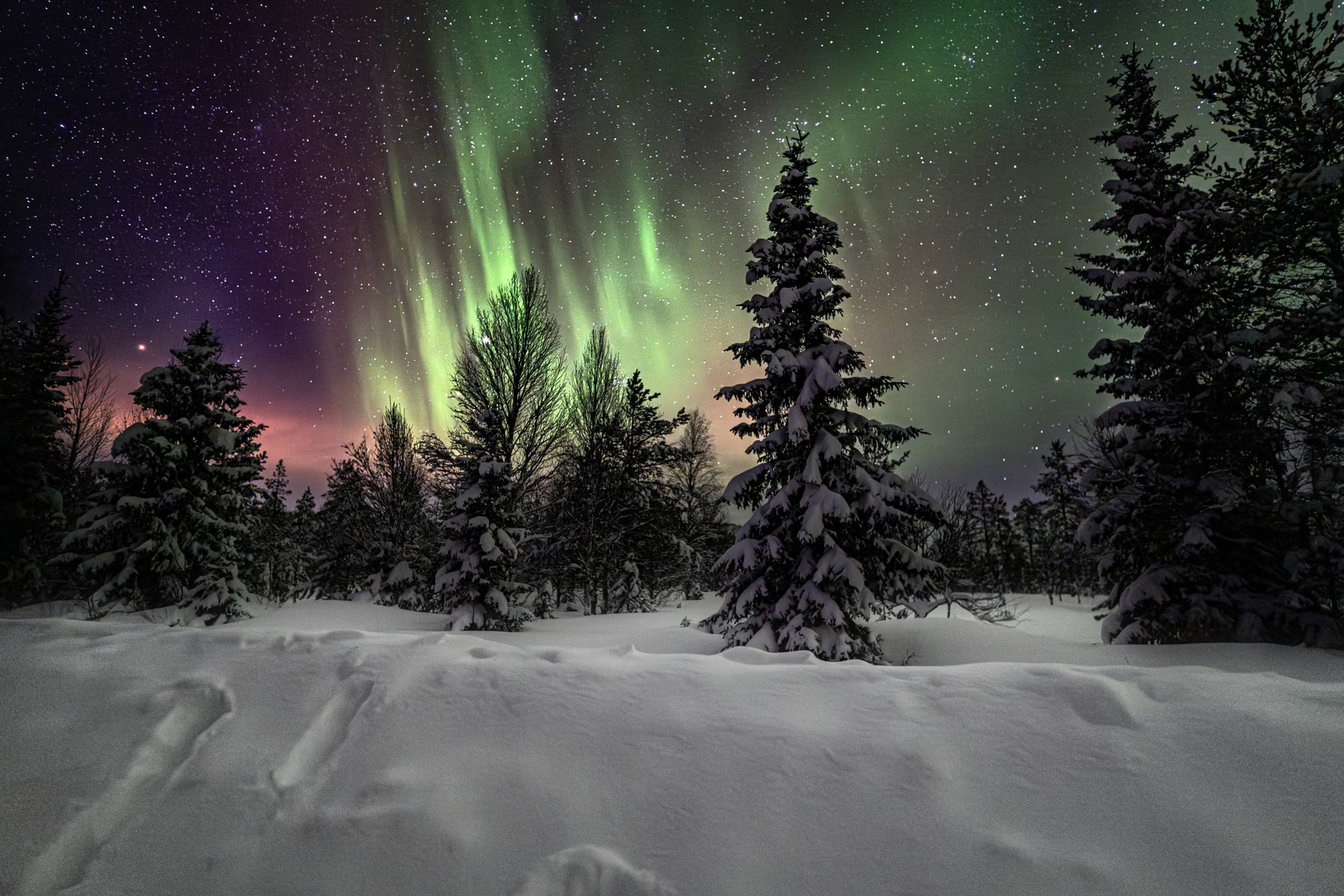
The one thing you can plan around
For a trip built around the northern lights, this is the biggest lever you actually control. You can't order up a solar storm or a clear sky, but the moon runs on a fixed schedule, and a dark sky around the new moon is the difference between a faint glow and the aurora burning vivid green with the Milky Way behind it.
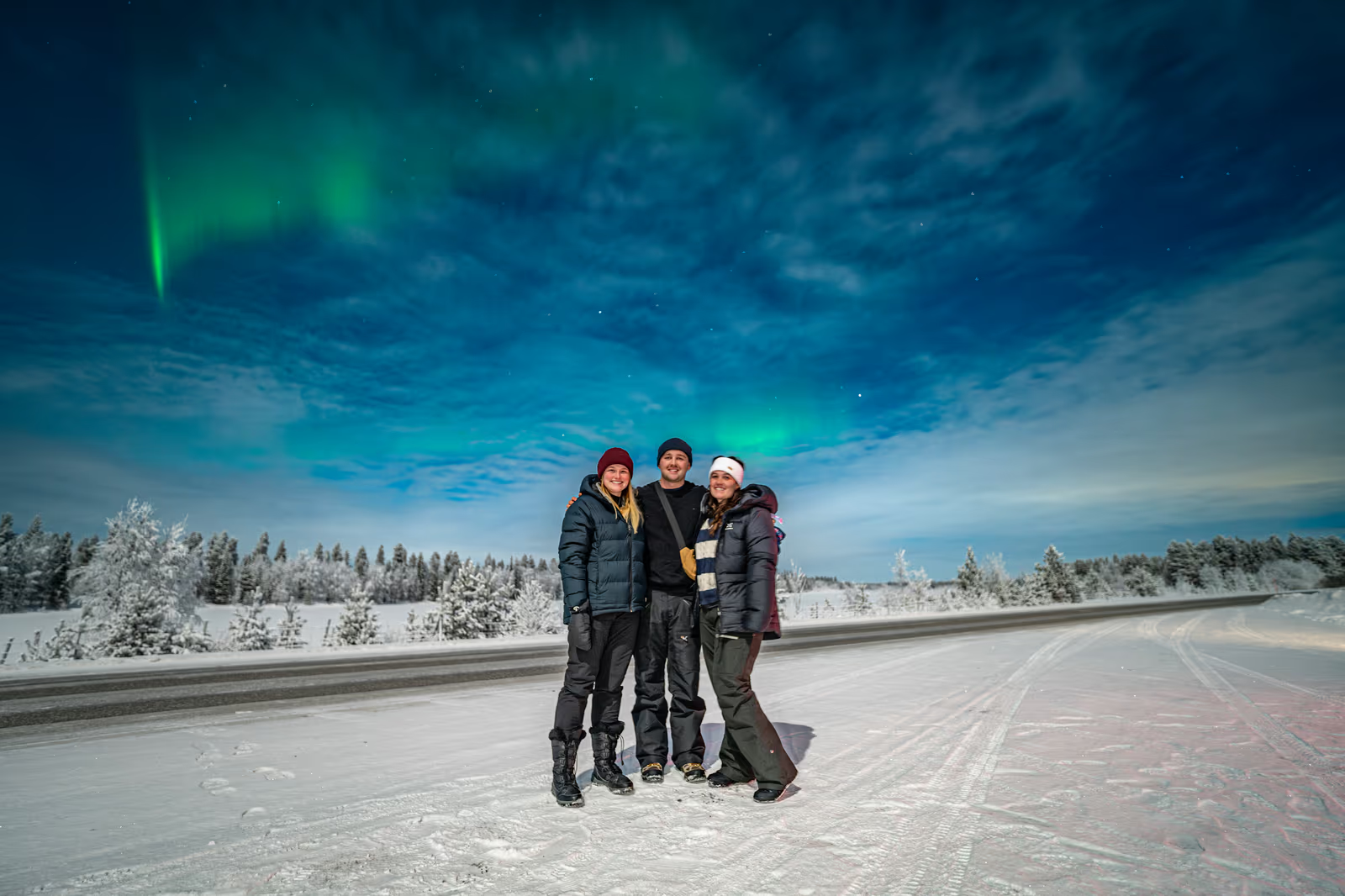
A bright moon floods the landscape: deep-blue skies, visible snow and faces lit for photos. The aurora still shows, but its faint detail and the stars wash out.
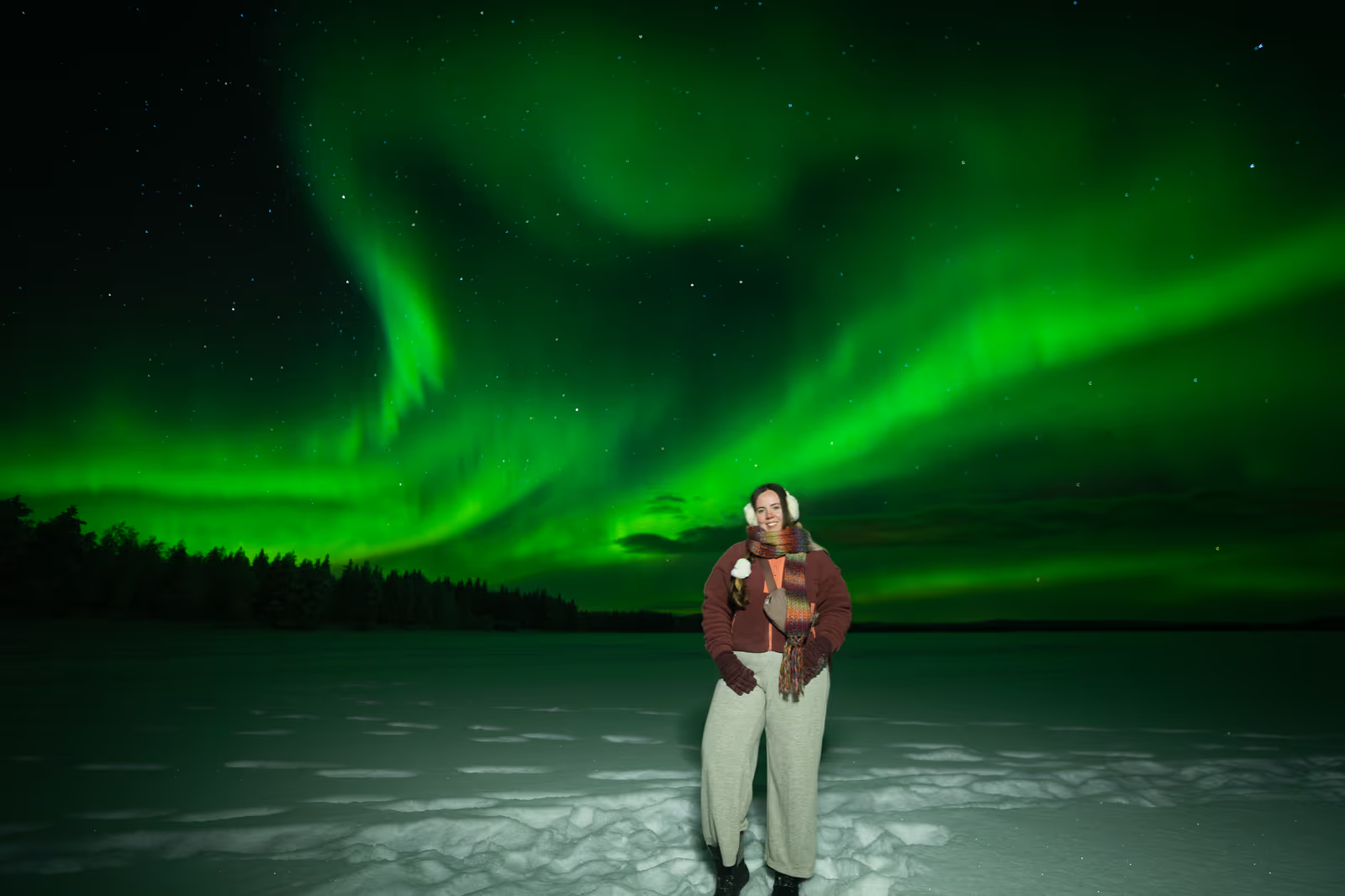
The sky goes black and the aurora burns vivid green, with stars and the Milky Way behind it. It is the darkest, most dramatic version of the show and the best light for photography.
Nights when the moon is less than half lit, dark enough for real aurora photography.
Season, cloud cover and solar activity still matter, and we drive to the clear sky whatever the moon is doing. But you cannot book those months ahead. You can plan around the moon: pick a new-moon window and stack the odds for the darkest, most dramatic show. Read the guarantee terms →
Month by month
The aurora season technically starts in late August once the polar nights return. The problem with August is that it doesn't get properly dark until well into the night, which gives you a small window to work with. If conditions align, with clear sky and strong activity, you can catch the lights. But you're relying on luck more than any other month.
September is excellent. Nights are getting long and the sky over Finnish Lapland is typically clearer than at any other point in the season. This is when we run the most hunts. The autumn air tends to stay dry and cloud-free across all of Lapland, so we're out almost every night. Geomagnetically, it is a strong month too, with the September equinox producing a natural spike in aurora activity.
Driving is also easy. There is no ice or snow, and it is not too cold, so we can cover ground quickly and get to the best spots without the complications winter roads bring.
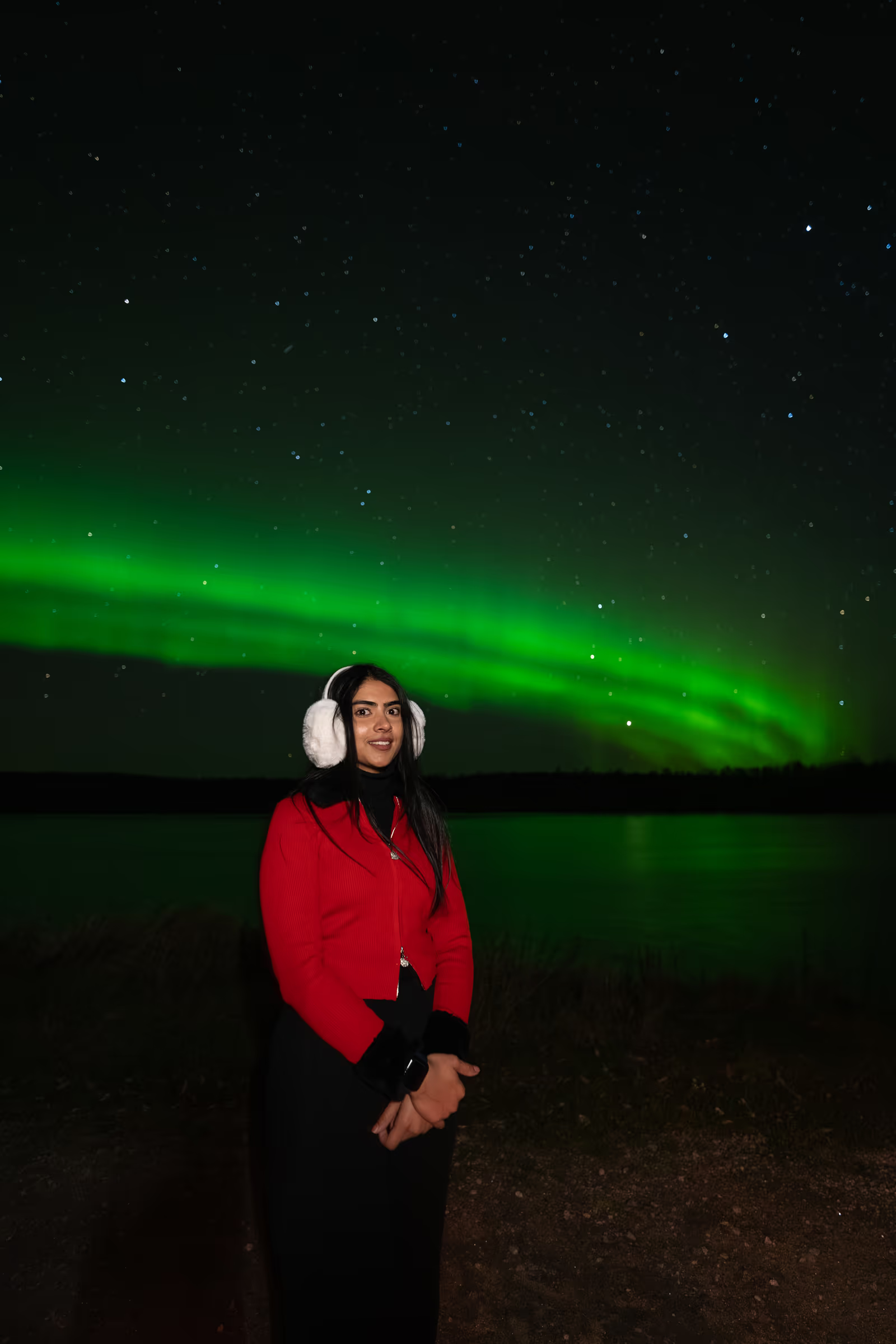
October continues where September leaves off. Nights are longer, aurora activity stays strong, and driving conditions are still straightforward. By the end of October the first snow might arrive, but roads are still manageable. If you want the combination of good aurora odds, reasonable temperatures, and long dark nights, October delivers.
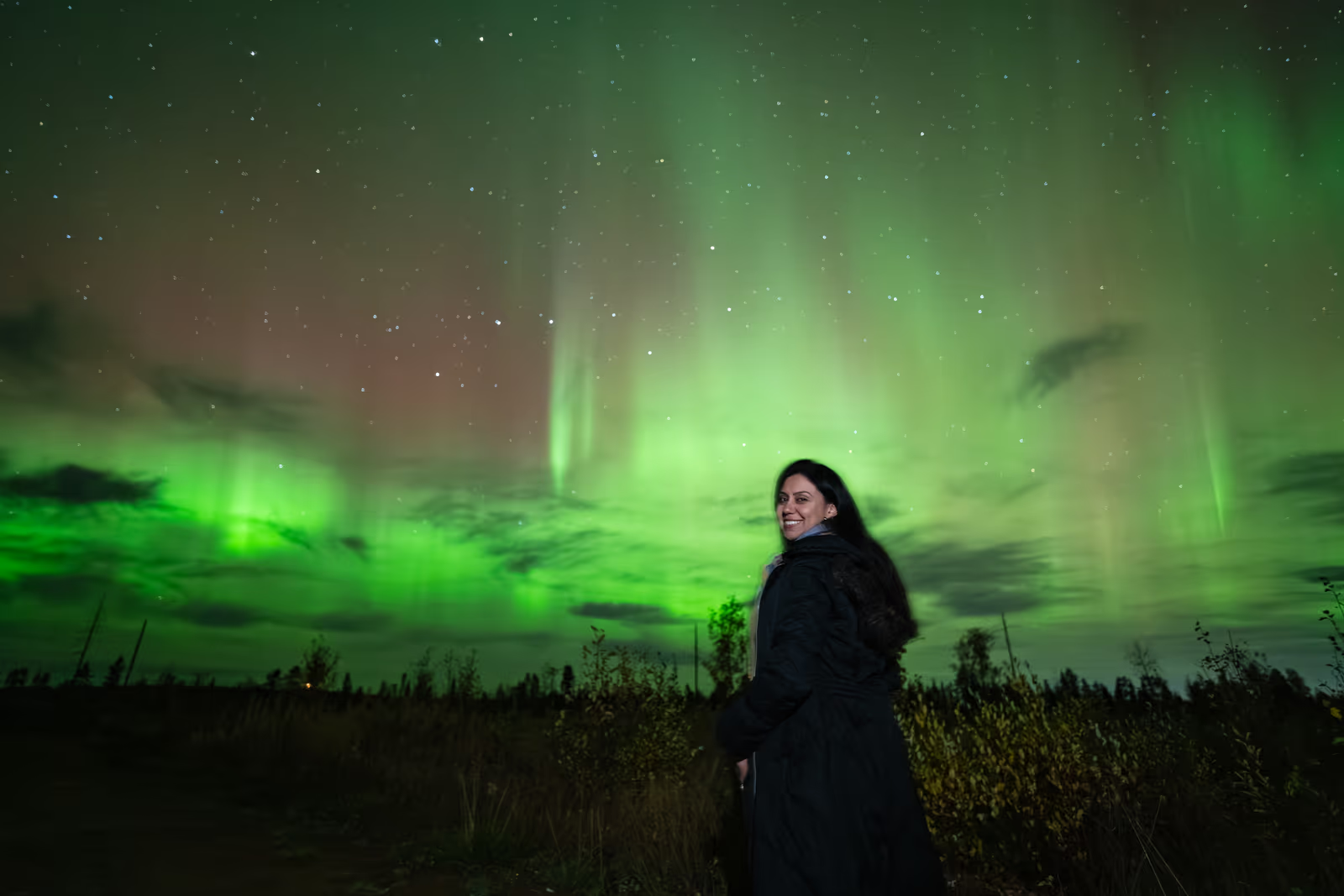
November is still a solid month for northern lights, but it's where the season starts to get more complicated. Cloud cover increases across Lapland as the month goes on, and finding a clear window can mean longer drives than usual. We're still out hunting, but on average we're covering more ground to get clear of the overcast.
Early November can feel a lot like October. By the last two weeks you notice the difference.
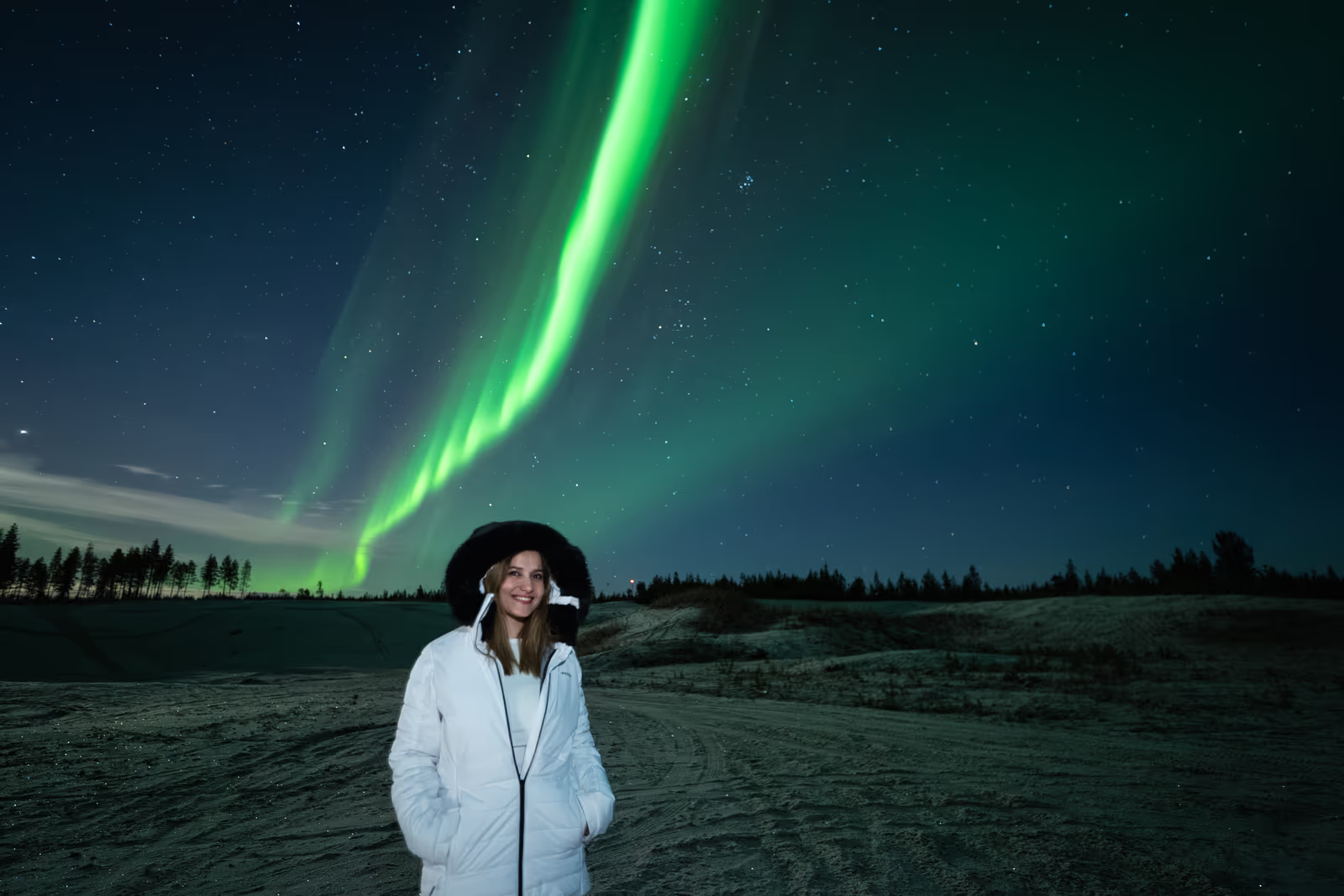
In our experience, December is consistently the trickiest month of the season. It's also the most popular, which can make the mismatch frustrating. Cloud cover is at its heaviest and finding clear skies requires the most effort; sometimes we're driving for hours before the sky opens.
That said, when it clears, it clears properly. Aurora activity is strong in December and the polar night means you have darkness around the clock. If you're combining a Christmas trip to Lapland with a northern lights hunt, manage your expectations and make sure your tour has a guarantee: the odds are lower than in any other month.
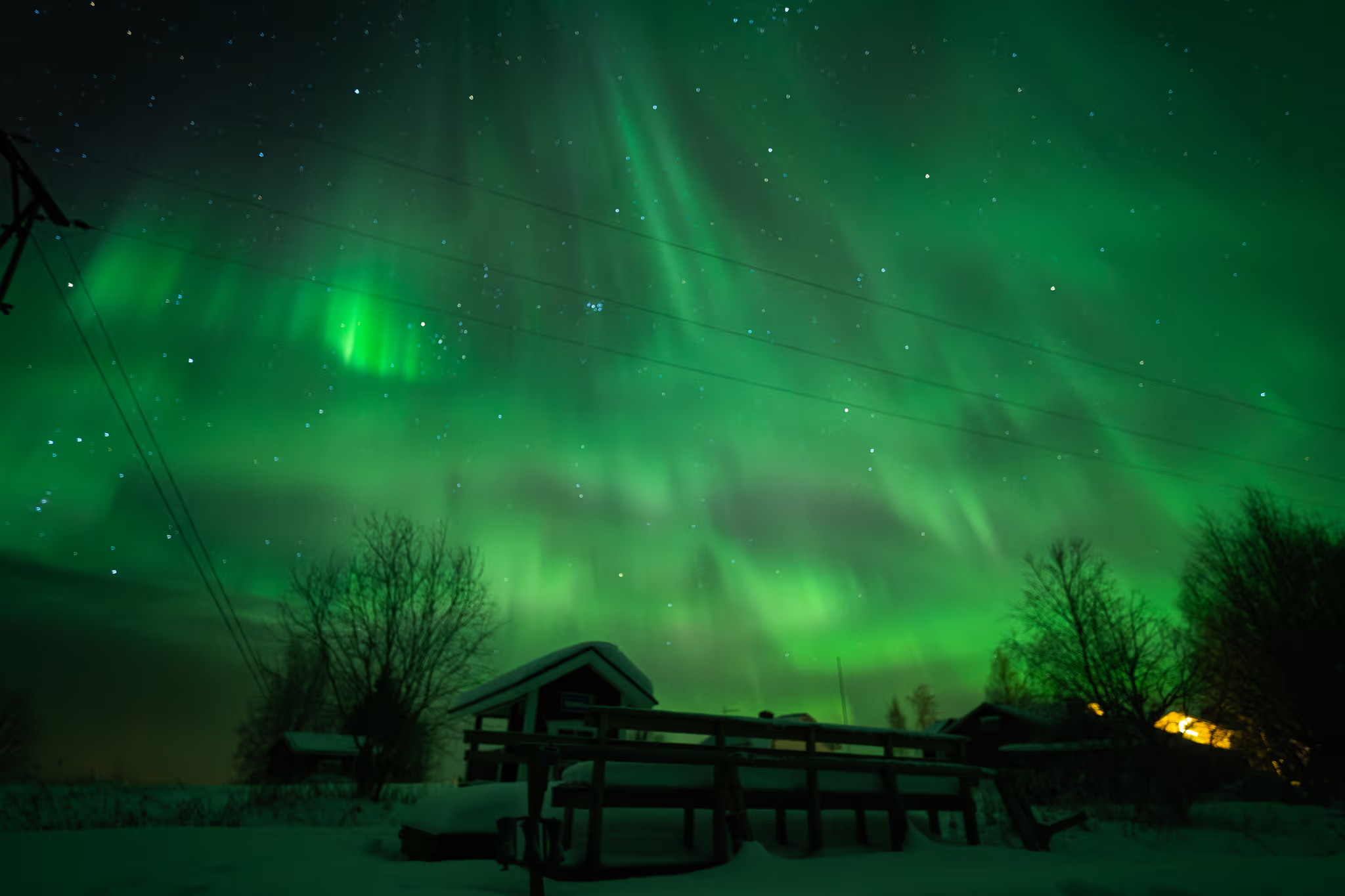
January is the coldest month of the winter. Temperatures regularly hit −20°C or lower. But cold and clear go together in Lapland: when it is that cold, it is not raining or snowing, and the skies are often completely open. Aurora activity is strong, and some of our best hunts of the year happen in January.
Not everyone wants to stand outside at −20°C, and that's fair. But if you're prepared for it, and we will help you prepare, January is a genuinely great month.
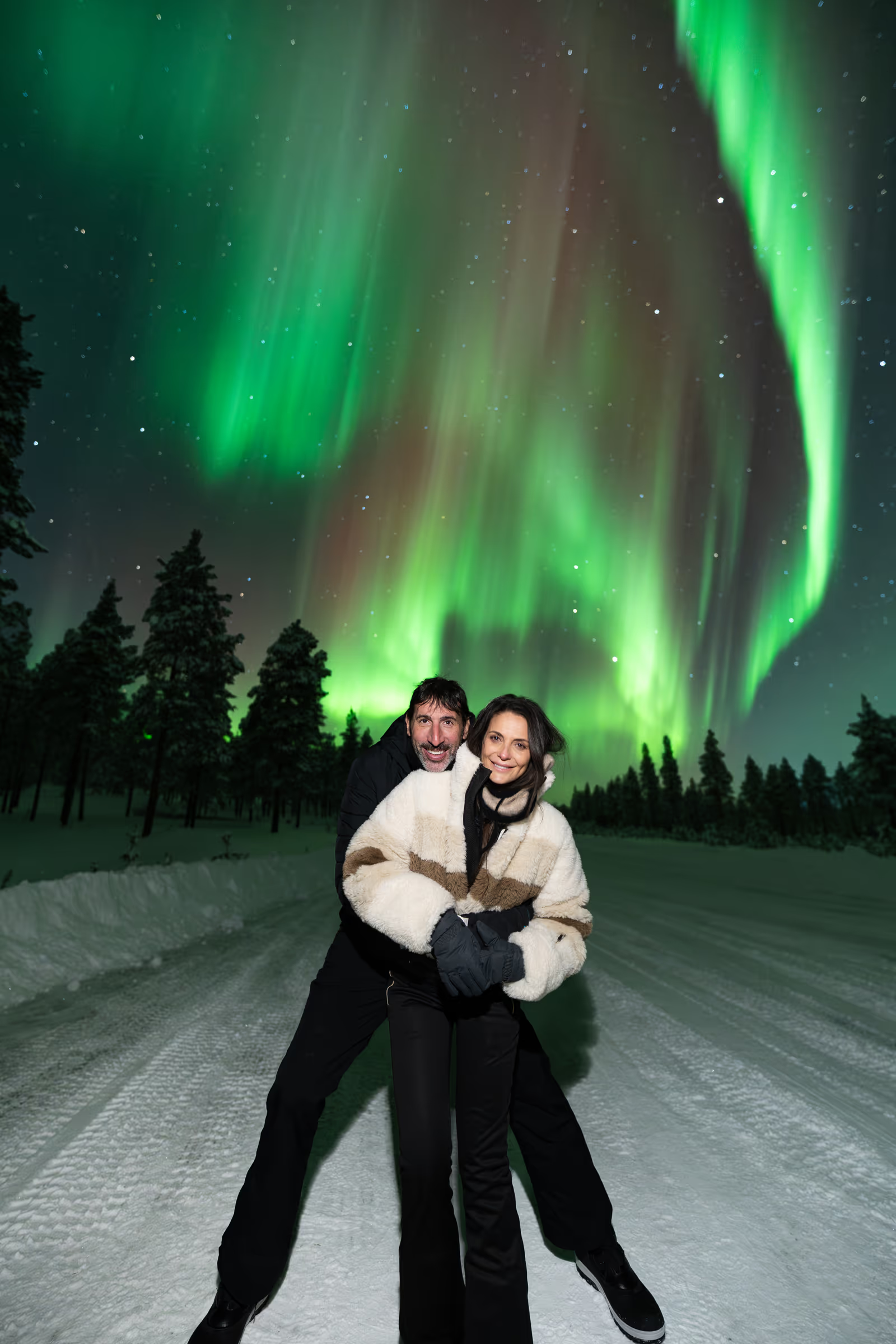
February is harder to call than most months. Some years it's consistently cloudy; some years it's wide open. Cloud cover varies more than in January or March. Aurora activity is strong, and by the end of February it is noticeably warmer than the depths of winter. Not dramatically, but enough to feel it.
The landscape is at its most dramatic in February: deep snow, fully covered forests and long dark nights.
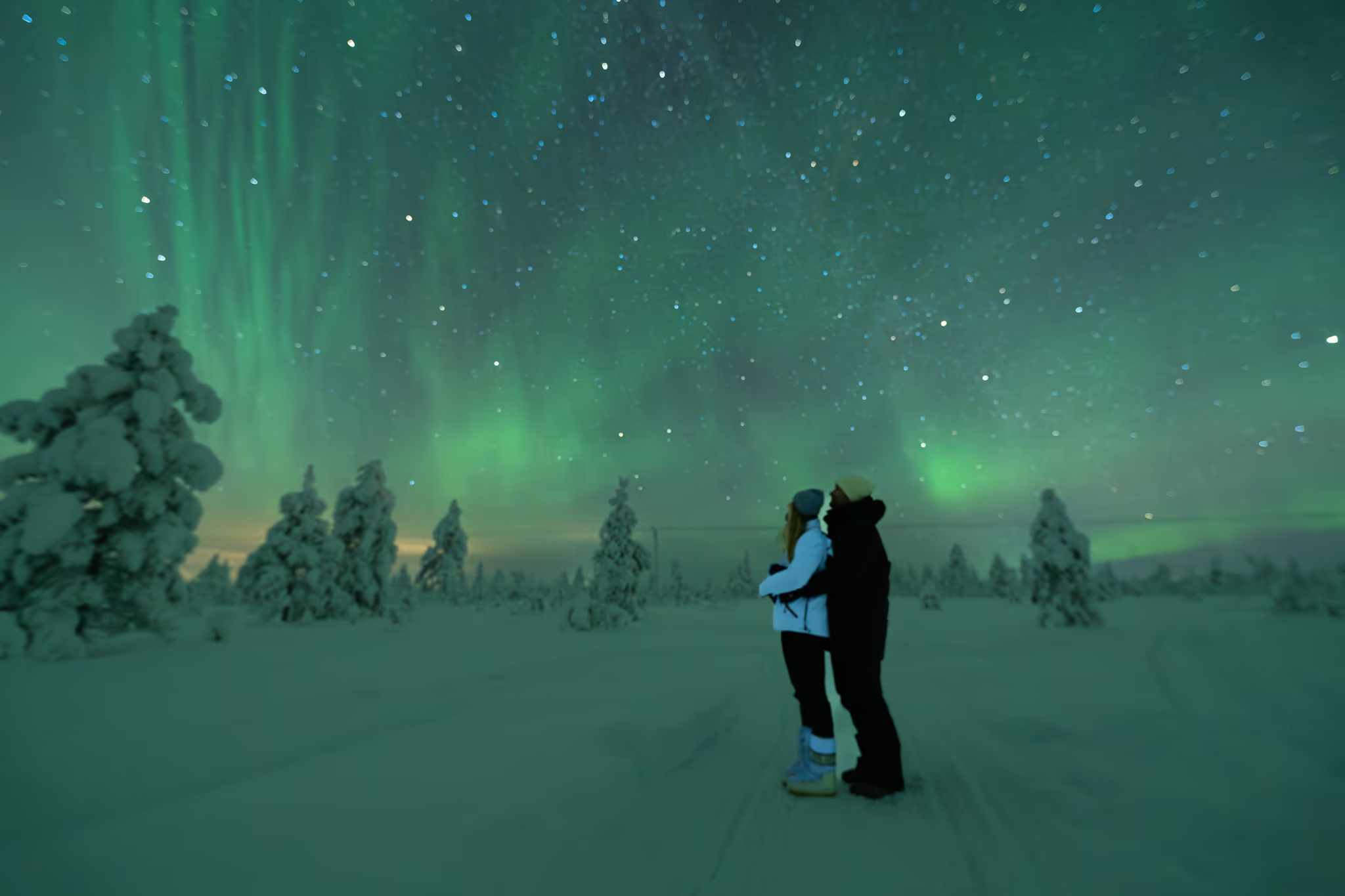
Every year, the strongest aurora we see is in March. We don't know exactly why March is so reliable, but the pattern holds: strong geomagnetic activity, skies that tend to clear, and conditions that are far more comfortable than the depths of winter. There is still plenty of snow, and the landscape looks exactly as you imagine Lapland, but it is no longer brutally cold. Guests enjoy the hunts more when they are not counting down the minutes until they can get back in the van.
If you have flexibility in when to travel, March is our honest recommendation.
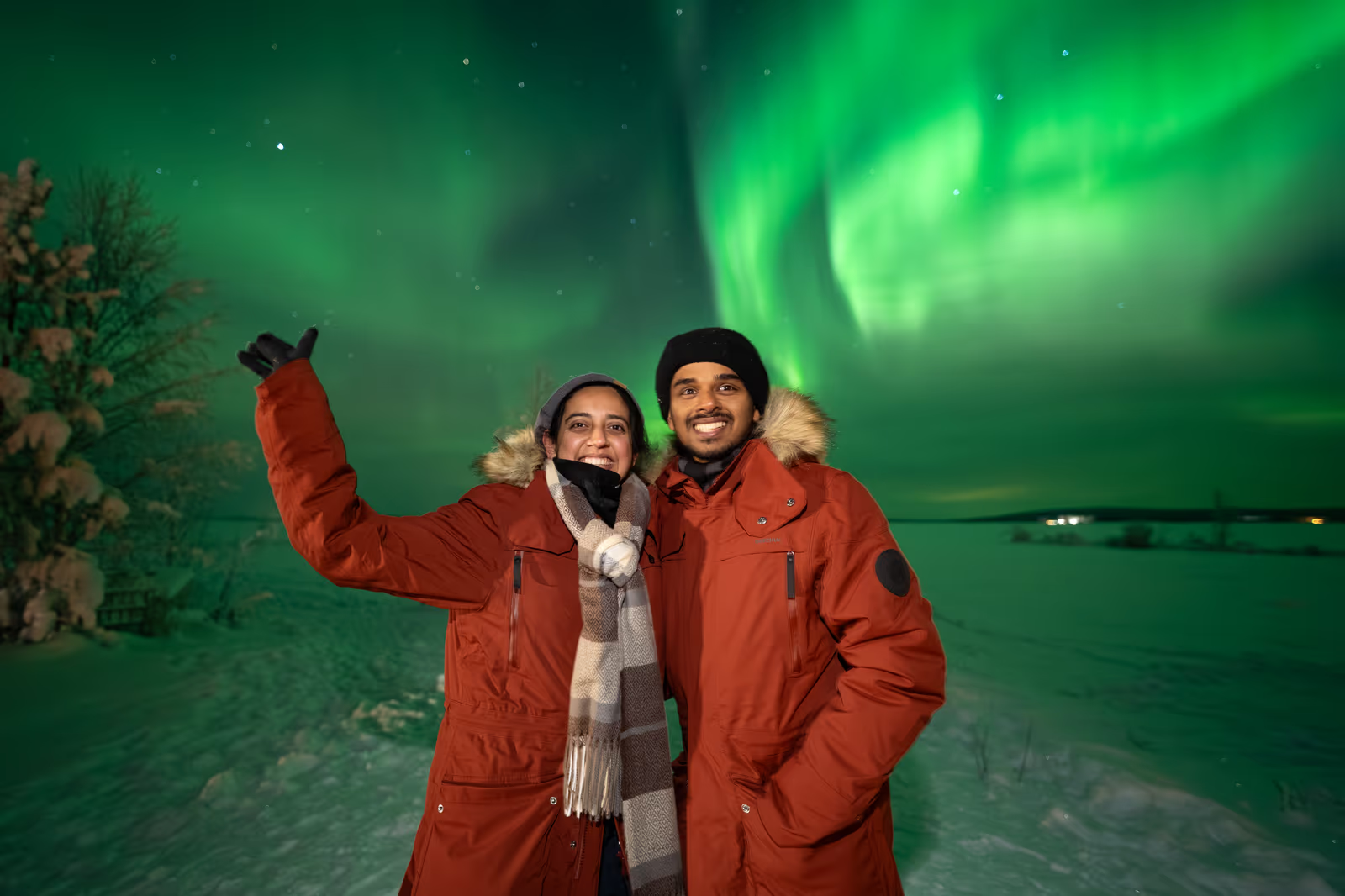
Early April can still work: there are genuine dark hours and we do run hunts into the first couple of weeks. But by mid-April the nights have shrunk so much that it is rarely worth travelling specifically for the lights. The window closes fast, and chasing the last scraps of darkness is not a reliable strategy.
The real factors
The month tells you the odds. It doesn't tell you what any given night will be. Three things determine whether you actually see the lights:
The sun has to cooperate. We can forecast a day or two ahead, not further.
This is why we drive. We follow the gaps across hundreds of kilometres if needed, across the Finnish–Swedish–Norwegian border if that's where the sky is open.
You won't see the aurora standing in Rovaniemi. You need to be out in the wilderness.
Direct answers
March is Lapland Explorers’ field recommendation after more than 400 hunts. September and October are close alternatives. No month guarantees the conditions on one particular night.
Yes. December provides long darkness, but in our field experience it is also the cloudiest part of the season. A clear December night can work well; cloud is the main obstacle.
No number of nights guarantees a sighting. Having more than one possible night gives you more chances to meet both clear sky and aurora activity.
No. You can see the aurora independently when the sky is clear and active. A guide can monitor cloud and live space-weather data, choose safe viewing areas and move when conditions change.
We hunt every clear night of the season, from late August through March. Small-group minivan tours and guaranteed group experiences from Rovaniemi.
See Rovaniemi Northern Lights tours