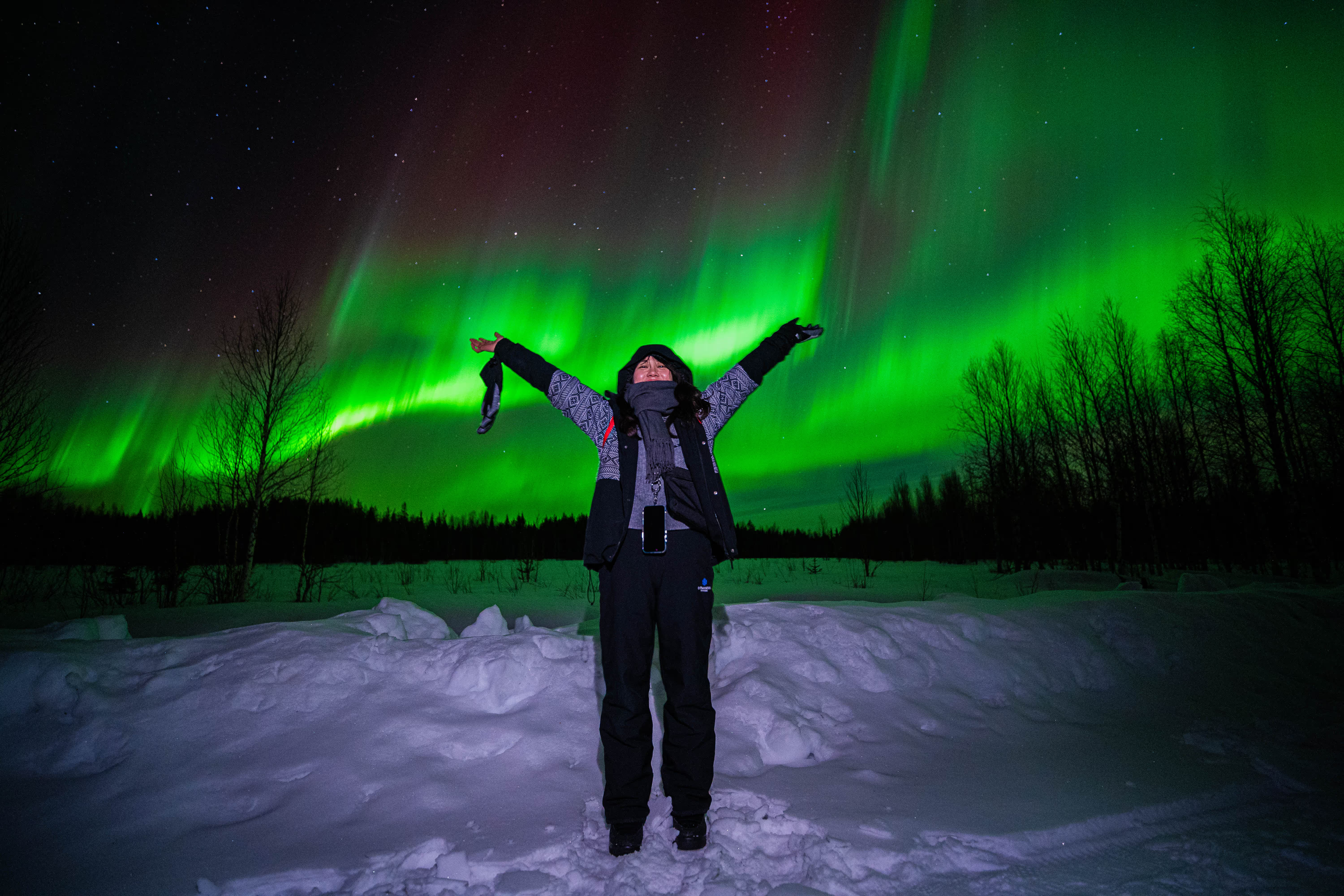
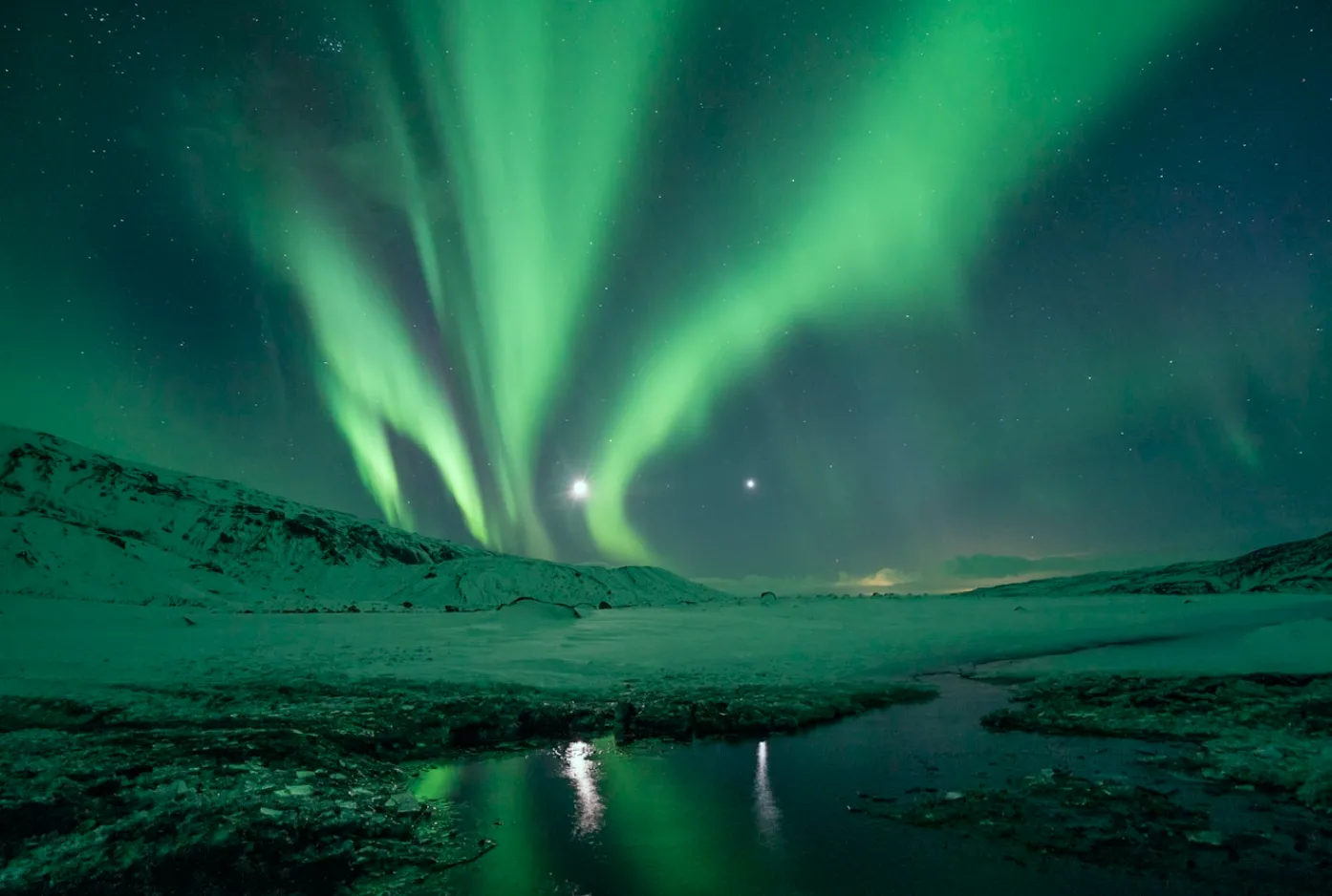
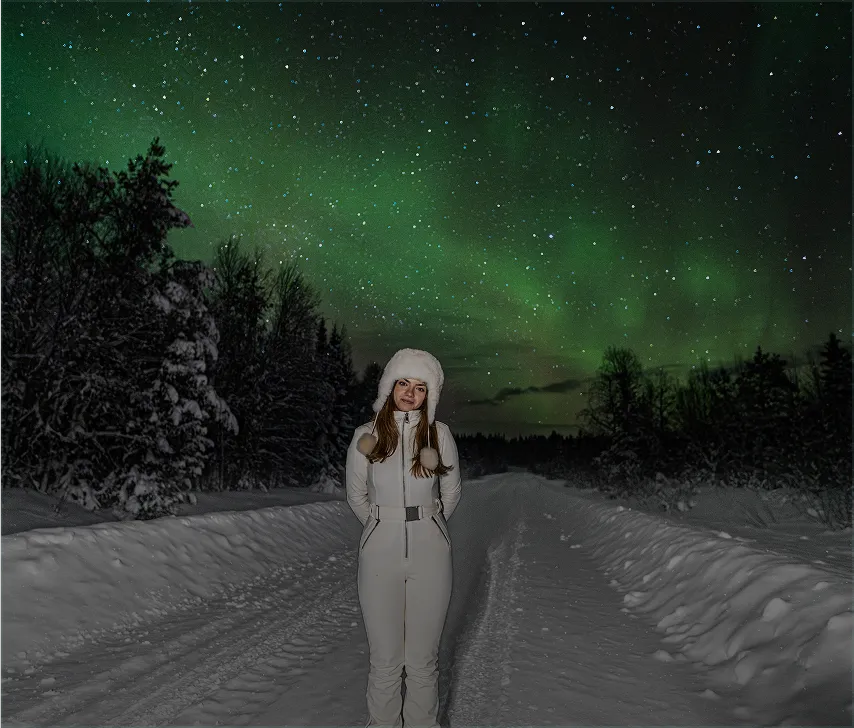
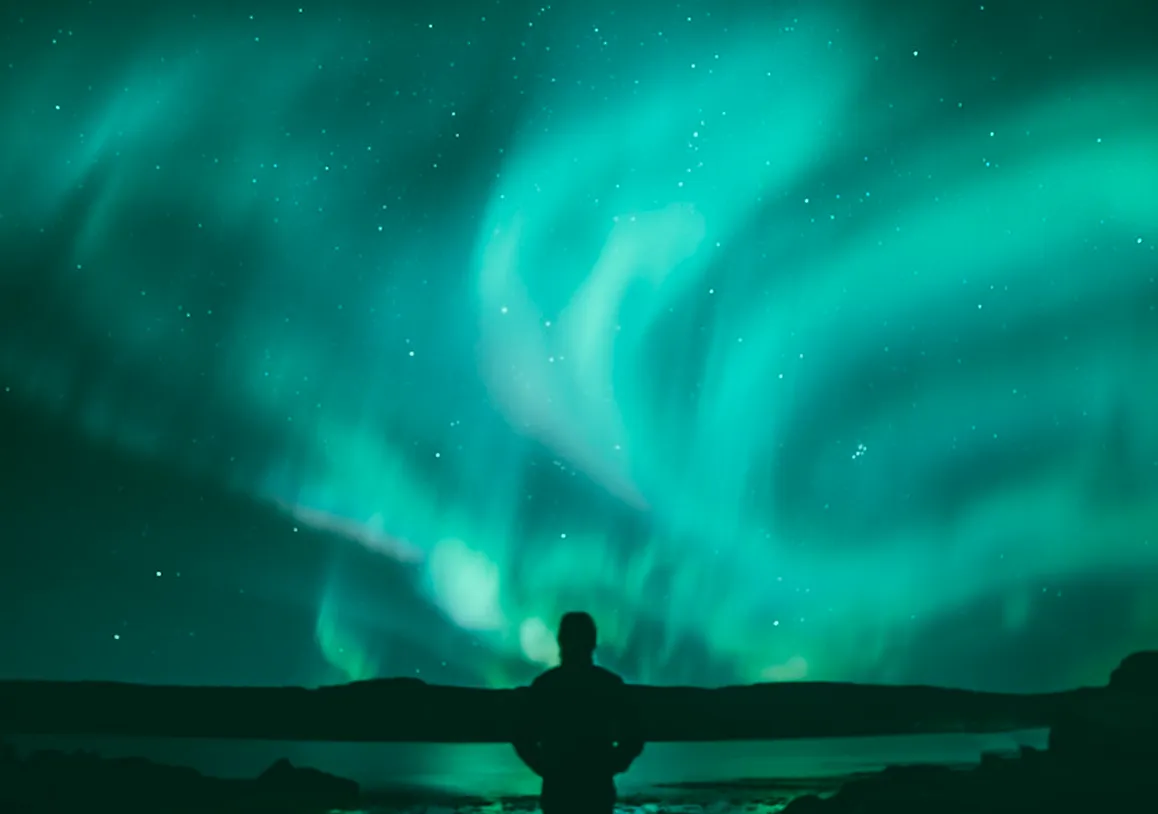
While the Northern Lights season runs from September through March, making any time within this window a good opportunity to see them, the experience ultimately depends on luck and local weather conditions. Autumn often provides clearer skies with less cloud cover, increasing your chances of spotting the aurora.
However, spring (specifically February and March) brings the highest solar activity, which can produce the most intense displays. That said, the strongest Northern Lights can occur in any month during the season if solar storms align with clear skies.
Important Note on Moonlight: The best time to visit is during a New Moon or when the moon is not visible. During a Full Moon or even a Half Moon, the bright moonlight can wash out the sky, making it very difficult to spot the Northern Lights, especially if they are faint. For the best visibility, we highly recommend planning your trip during darker nights when the moon's glow is minimal.
.webp)



.webp)